

A Different Kind of Greenville Heritage
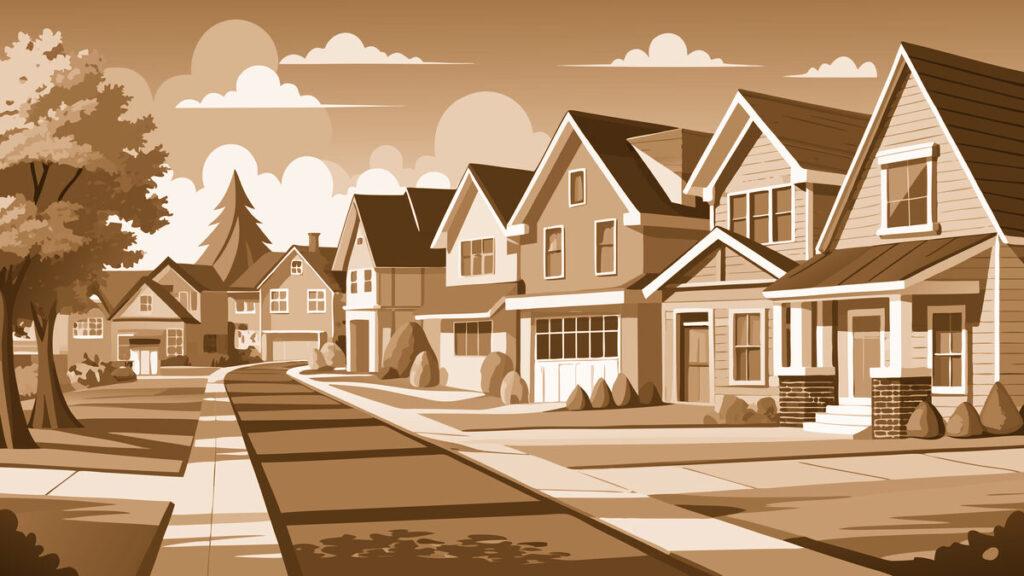
When longtime Greenville residents talk about the city’s heritage, they often point to the courthouse square, historic downtown buildings, the Katy Depot, Wesley Street, or the Audie Murphy American Cotton Museum. The Cedars represents a newer chapter in that story. Rather than a nineteenth-century neighborhood of restored houses, it is a modern residential community that reflects Greenville’s growth during the late twentieth and early twenty-first centuries.
That distinction matters. The Cedars is sometimes described in real-estate listings and community references as an established neighborhood, but available city records identify it more specifically as The Cedars Addition and, later, The Cedars Townhomes Addition. Those records place the community within Greenville’s expanding residential landscape, alongside developments such as Oak Creek and Gabe Estates. ([ci.greenville.tx.us](https://www.ci.greenville.tx.us/Archive.aspx?ADID=3523&utm_source=openai))
Today, The Cedars is known for streets such as Gamecock Circle, Sahara Drive, Volunteer, and nearby roads connecting residents with Stonewall Street, Roy Warren Parkway, schools, shopping, and recreation. Its story is not one of old storefronts and Victorian mansions. It is the story of how Greenville has continued to build, adapt, and welcome new generations.
How The Cedars Got Its Name
The name “The Cedars” most likely reflects the wooded character and landscaping associated with the development rather than a documented historic grove or early Greenville settlement. Public references to the neighborhood consistently use “The Cedars” or “Cedars Addition,” while city planning documents refer to the later townhome project as The Cedars Townhomes Addition. ([realtytexas.com](https://www.realtytexas.com/locations/dallas-plano-irving/greenville/cedars?utm_source=openai))
As with many North Texas subdivisions, the name evokes a sense of shade, permanence, and a connection to the land. Cedar trees are familiar sights across the region, and the word carries a comfortable, rooted feeling. Even where much of the neighborhood’s construction is relatively recent, mature trees, planted landscapes, and broad residential streets help give The Cedars a settled appearance.
The name also fits Greenville’s tradition of using natural features and landscape terms in neighborhood branding. In a city shaped by blackland prairie, creeks, cotton fields, and tree-lined residential streets, “The Cedars” suggests a peaceful retreat while remaining close to the city’s main roads and institutions.
Origins in Greenville’s Growth
The Cedars emerged during a period when Greenville was expanding beyond its historic core. For much of the city’s early history, development centered on the courthouse square, Main Street, the railroad corridors, and established residential streets near downtown. Greenville’s arrival of the Missouri, Kansas and Texas Railway in 1880, followed by additional rail connections in the 1880s, helped transform the community into a regional commercial center. ([tshaonline.org](https://www.tshaonline.org/handbook/entries/greenville-tx-hunt-county?utm_source=openai))
By the late twentieth century, Greenville’s growth patterns had changed. New neighborhoods increasingly appeared along major roads and near schools, shopping areas, employment centers, and recreational facilities. The Cedars belongs to this newer pattern of development: a planned residential community created for people seeking contemporary homes, quieter streets, and convenient access to the rest of town.
City records show that infrastructure work in The Cedars was part of Greenville’s continuing effort to maintain and improve newer additions. In 2022, the city listed completed mill-and-overlay work for the Cedars Addition, demonstrating that neighborhood streets had become part of the city’s regular public-works responsibilities. ([ci.greenville.tx.us](https://www.ci.greenville.tx.us/Archive.aspx?ADID=3523&utm_source=openai))
Streets That Shape Daily Life
The character of The Cedars is found less in a single landmark than in the everyday rhythm of its streets. Gamecock Circle has served as a gathering point for neighborhood events, including a National Night Out celebration and homeowners association activities. A city announcement from October 2021 listed The Cedars among Greenville locations participating in the communitywide event, with neighbors meeting for food, conversation, and crime-prevention efforts. ([ci.greenville.tx.us](https://www.ci.greenville.tx.us/CivicAlerts.aspx?AID=2545&ARC=3573&utm_source=openai))
Volunteer and Sahara Drive are also associated with the neighborhood in public planning and housing references. These streets connect the area with nearby subdivisions and major routes, giving residents access to schools, retail centers, restaurants, and medical services without placing them far from Greenville’s older civic core.
For families, proximity to Greenville Independent School District campuses is an important part of the neighborhood’s appeal. Depending on attendance boundaries and changing district assignments, residents may be connected with schools including Bowie Elementary, Travis Elementary, Greenville Middle School, or Greenville High School. School boundaries can change, so families should always confirm current assignments directly with the district. ([realtytexas.com](https://www.realtytexas.com/locations/dallas-plano-irving/greenville/cedars?utm_source=openai))
Parks, Recreation, and Nearby Institutions
One of The Cedars’ advantages is its relationship to Greenville’s wider recreational network. Oak Creek Park, associated with the nearby Oak Creek and Gabe Estates area, has served as a gathering place for families and neighborhood events. Greenville SportsPark, farther south, provides baseball and softball fields, soccer facilities, and sand volleyball courts, making it one of the city’s most important modern recreational destinations. ([ci.greenville.tx.us](https://www.ci.greenville.tx.us/CivicAlerts.aspx?AID=2545&ARC=3573&utm_source=openai))
The neighborhood is also within reach of the institutions that define Greenville’s identity. A short drive connects residents to downtown, the Hunt County Courthouse area, the historic Katy Depot on Lee Street, and the Audie Murphy American Cotton Museum. The Katy Depot, listed on the National Register of Historic Places, recalls the railroad era that helped Greenville become a commercial center. ([greenville-texas.com](https://www.greenville-texas.com/walking.htm?utm_source=openai))
That balance—new housing near old civic and cultural landmarks—is part of what makes The Cedars meaningful. Residents can enjoy the conveniences of a modern subdivision while remaining connected to the stories preserved throughout Greenville.
A Neighborhood Still Becoming Itself
The Cedars has evolved through the addition of new homes, townhomes, street improvements, landscaping, and neighborhood organizations. The approval of The Cedars Townhomes Addition in 2018 signaled a shift toward a greater variety of housing styles within the broader community. Later discussions involving homeowners and city planners show residents taking an active interest in development, traffic, apartments, utilities, property values, and the long-term feel of the neighborhood. ([ci.greenville.tx.us](https://www.ci.greenville.tx.us/Archive.aspx?ADID=3220&utm_source=openai))
That kind of participation is an important milestone. A neighborhood becomes more than a collection of houses when residents begin shaping traditions and speaking up about its future. Bake-offs, National Night Out gatherings, homeowners association meetings, and informal conversations across driveways all help create a sense of belonging.
Unlike Greenville’s older districts, The Cedars does not yet have generations of family history in every home. Its heritage is being created now. The people who move in, plant trees, celebrate birthdays, watch children grow, and care about their streets are laying down the memories that future residents will one day call tradition.
The Cedars’ Place in Greenville’s Story
The Cedars may not have a courthouse, railroad depot, or historic marker of its own, but it represents an essential part of Greenville’s continuing history. It shows a community making room for growth without losing its connection to local institutions, parks, schools, and civic life.
For longtime residents, The Cedars is a reminder that heritage is not only preserved in old buildings. It is also found in the neighborhoods where present-day Greenville takes shape. Its tree-lined streets, family gatherings, neighborhood meetings, and evolving housing styles tell a modern story—one of stability, community spirit, and a city still moving forward.
- Notable local references: Gamecock Circle, Sahara Drive, Volunteer, Stonewall Street, Oak Creek Park, Greenville SportsPark, Katy Depot, and the Audie Murphy American Cotton Museum.
- A neighborhood in progress: The Cedars’ heritage is being built through the daily lives and shared traditions of its residents.